What is Gatekeeper?
A gatekeeper is any person who controls access to decision-makers, filtering calls, emails, and visitors. In B2B sales, this typically means executive assistants, receptionists, or junior team members who screen communications for busy executives. Gatekeepers can be obstacles to getting through or allies who help you connect—depending on how you approach them.
Why Gatekeeper Matters
Gatekeepers exist because decision-makers are busy and can't take every call or meeting. Their job is to protect their executive's time from interruptions that don't provide value. If you treat gatekeepers as enemies to defeat, you'll lose. If you treat them as allies with legitimate jobs to do, you can earn their help. The best salespeople recognize gatekeepers often have more influence than their titles suggest. Executive assistants frequently know their boss's priorities, challenges, and schedule better than anyone. A positive relationship with a gatekeeper can lead to introductions, insider information about buying processes, and tips on the best times to call. Getting past gatekeepers without alienating them requires honesty, respect, and genuine value. Tricks and manipulation might work once, but they burn bridges and damage your reputation. In a world where a quick Google search reveals everything about you, your approach to gatekeepers reflects on your entire company.
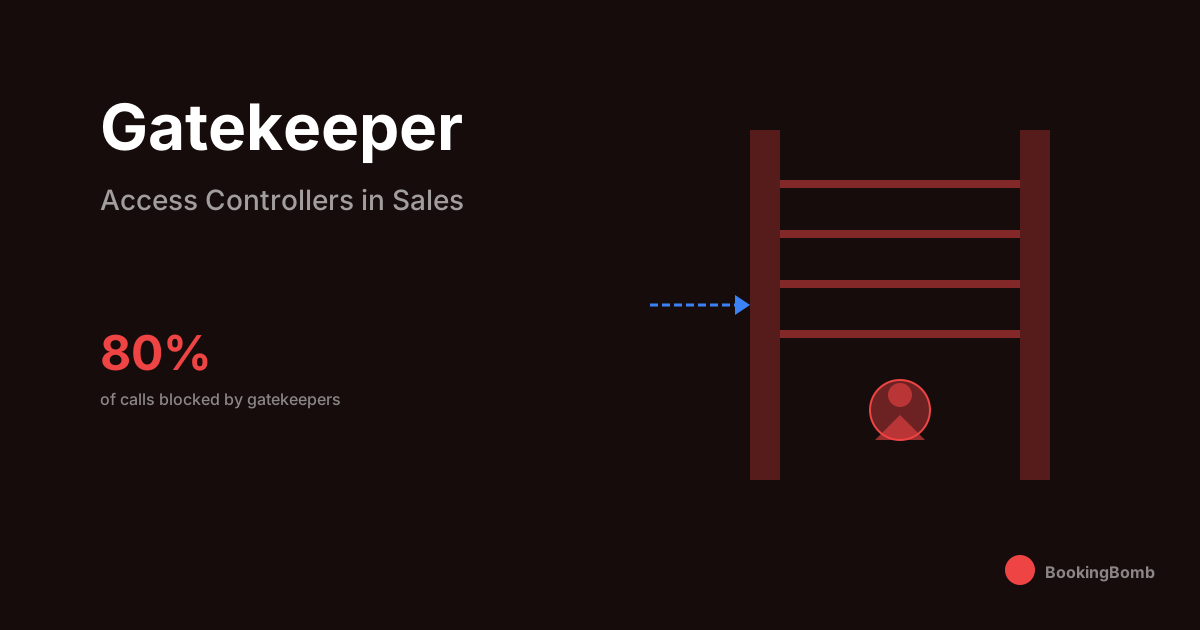
80%
of calls blocked by gatekeepers
64%
of EAs influence purchase decisions
6.8
average attempts to reach a decision-maker
How Gatekeeper Works
Respect their role
Understand that screening calls is their job, not a personal vendetta against you. Approach with respect for what they do.
Be honest and direct
State who you are and why you're calling clearly. Deception backfires—if you trick a gatekeeper, they'll remember and block future attempts.
Offer genuine value
Explain briefly why this call benefits their boss, not just you. Give them a reason to put you through.
Build relationship
Learn their name, remember it, and treat them as the professional they are. Gatekeepers remember how you made them feel.
Ask for help
Instead of demanding to speak with their boss, ask for guidance: 'What would you suggest is the best way to reach them?'
Leave good voicemails
When you can't get through, leave concise, value-focused voicemails that give gatekeepers context if asked about you.
Best Practices
Use the gatekeeper's name—people respond to personal acknowledgment
Be polite and professional—you're building a relationship, not fighting a battle
Call early or late when executives sometimes answer their own phones
Ask 'is now a good time?' to show you respect their boss's schedule
Thank them regardless of outcome—you may call again tomorrow
Provide value even to the gatekeeper—relevant industry information travels up
Ask for referral to the right person if you've genuinely reached the wrong contact
Follow up with helpful content that the gatekeeper can forward
Common Mistakes
- • Trying to trick or manipulate gatekeepers—this always backfires
- • Being rude or dismissive—they'll ensure you never get through
- • Lying about why you're calling—damages trust and reputation
- • Treating gatekeepers as beneath you—they often have significant influence
- • Calling repeatedly without new value—persistence becomes harassment
- • Not learning from rejections—understand why you're being blocked
- • Asking for favors without building relationship first
Related Terms
Stop Studying. Start Closing.
Now you know what Gatekeeper means. Let us put it to work for you.
Book Your Strategy Call