What is Discovery Call?
A discovery call is the first substantive sales conversation with a qualified prospect, focused on understanding their situation, challenges, goals, and buying process. Unlike cold calls (which aim to book meetings) or demos (which showcase solutions), discovery calls are about asking questions and listening. The goal is to deeply understand the prospect's world so you can determine fit and tailor your approach.
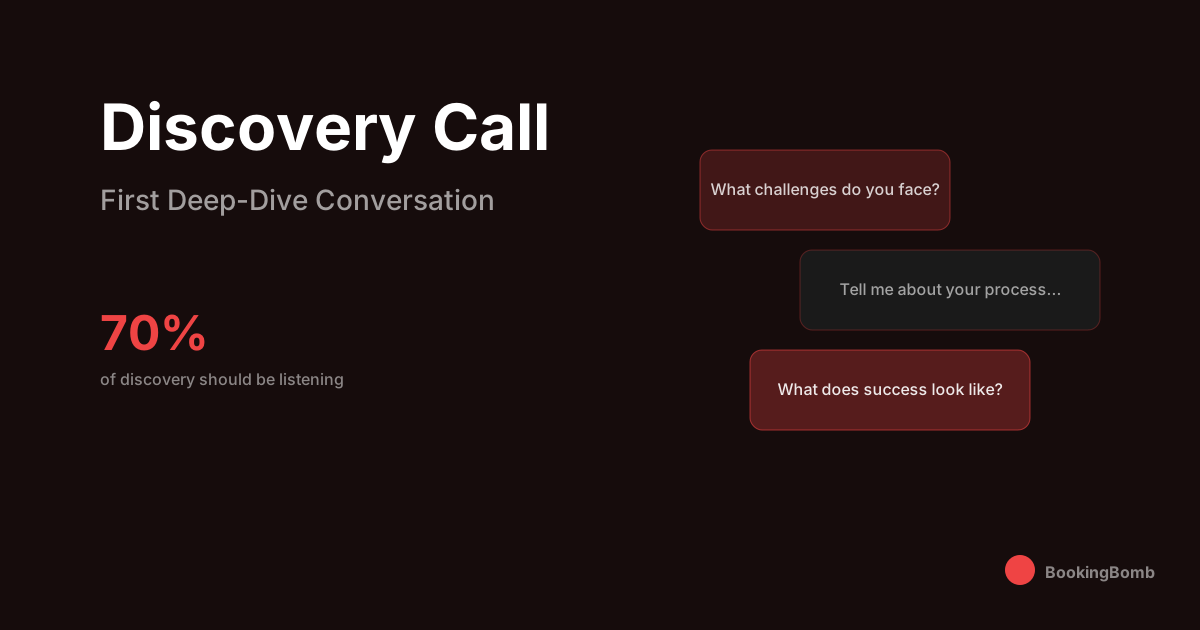
Why Discovery Call Matters
Discovery is where deals are won or lost. Reps who rush to demo without proper discovery close at half the rate of those who invest time understanding the prospect. Why? Because without discovery, you're guessing at what matters—and guesses rarely land. Great discovery uncovers the real pain, the decision process, the competition, the timeline, and the success criteria. Armed with this intelligence, every subsequent interaction is relevant and compelling. Skip it, and you're presenting generic pitches to people whose problems you don't actually understand. Discovery also qualifies opportunities. Better to learn early that a prospect has no budget, no authority, or no real urgency than to waste weeks nurturing a dead deal. A thorough discovery call saves time by filtering out poor fits fast.
50%
higher close rates with proper discovery
30-45
minutes optimal discovery call length
70%
of discovery should be prospect talking
How Discovery Call Works
Set the agenda
Open by confirming time, stating your goal (to understand their situation), and getting their goal for the call. This creates mutual commitment.
Understand current state
Ask about their existing situation—what tools they use, how processes work, what's working and what isn't. Build context before probing pain.
Uncover pain and impact
Dig into challenges. What's not working? What does that cost them? What have they tried? What happens if nothing changes? Quantify impact where possible.
Explore desired future state
What does success look like? What outcomes do they need? This reveals their buying criteria and sets up your value proposition.
Map the buying process
Who else is involved? What's the decision process? What's the timeline? Are they evaluating alternatives? Understand the path to a decision.
Determine next steps
End with clear next steps—typically a demo, proposal, or meeting with additional stakeholders. Book it on the call when possible.
Best Practices
Prepare 5-7 open-ended questions but follow the conversation naturally
Talk less than 30% of the time—discovery is about listening
Take detailed notes or record calls (with permission) for accurate handoffs
Ask 'why' and 'tell me more' to go deeper on important topics
Quantify pain wherever possible—numbers make impact tangible
Map to multiple stakeholders—ask who else cares about this problem
Confirm understanding by summarizing what you heard before moving on
Don't pitch on discovery—earn the right to present by understanding first
Common Mistakes
- • Jumping to demo mode when asked about features—redirect back to discovery
- • Asking closed questions that get yes/no answers instead of insights
- • Talking too much—reps often fill silence instead of letting prospects elaborate
- • Not going deep enough—surface answers don't reveal real pain
- • Failing to uncover the buying process and decision-makers
- • Skipping discovery because the prospect 'seems ready'—you still need intelligence
- • Not documenting findings—great discovery is wasted if insights aren't captured
Related Terms
Stop Studying. Start Closing.
Now you know what Discovery Call means. Let us put it to work for you.
Book Your Strategy Call