What is Objection Handling?
Objection handling is the process of addressing prospect concerns, pushback, and resistance during the sales process. Rather than viewing objections as rejection, skilled salespeople see them as opportunities to deepen understanding and demonstrate value. Effective objection handling doesn't mean overcoming resistance through pressure—it means understanding the real concern and addressing it genuinely.
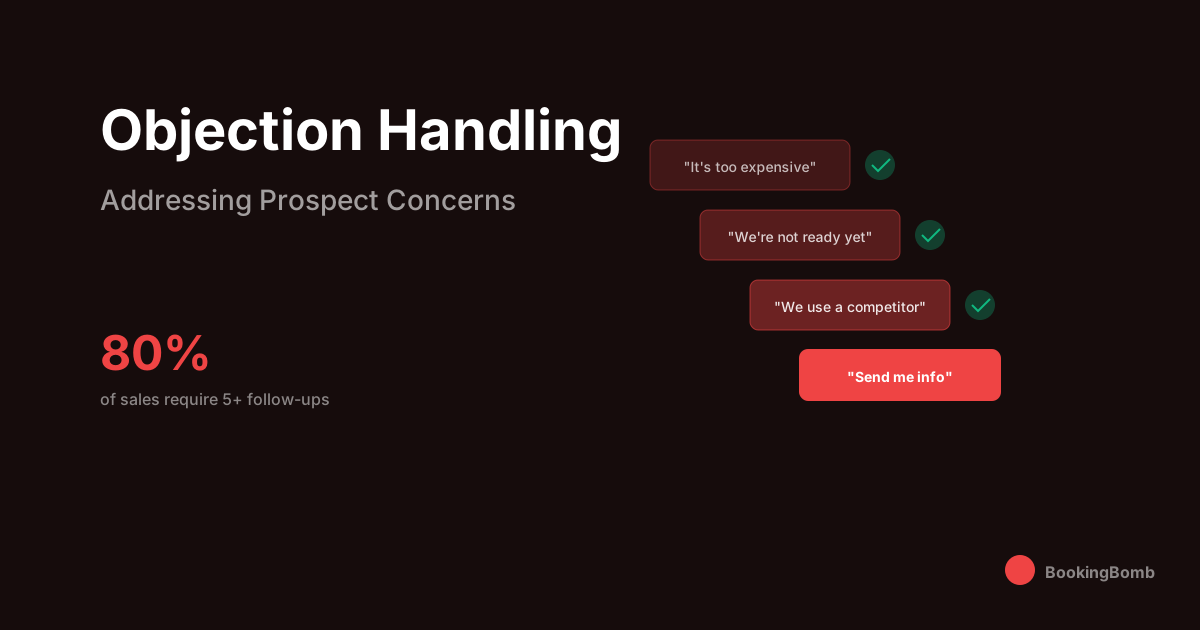
Why Objection Handling Matters
Objections are a natural part of buying. Prospects who object are still engaged—they're testing whether you can address their concerns. It's the prospects who go silent you should worry about. The best salespeople actually welcome objections because they reveal what's really standing between you and a deal. Poor objection handling—being defensive, dismissive, or pushy—kills deals that could have been won. Great objection handling builds trust by showing you understand their world and can address real concerns. Prospects who have their objections genuinely addressed often become stronger buyers than those who never objected. Most sales objections fall into predictable categories: price, timing, need, authority, and competition. If you're hearing the same objections repeatedly, that's signal to improve your positioning, discovery, or product. Objections are feedback.
44%
of salespeople give up after one objection
80%
of sales require 5+ follow-ups
5
most common B2B sales objections
How Objection Handling Works
Listen fully before responding
Let the prospect complete their objection without interrupting. Often there's more beneath the surface that only emerges when they feel heard.
Acknowledge the concern
Show you understand why this matters to them. 'I understand budget is tight' validates their position and lowers defensiveness.
Clarify and dig deeper
Ask questions to understand the real objection. 'Price is too high' might mean they don't see value, have budget constraints, or need to justify to others.
Respond with relevance
Address the specific concern, not a generic script. Use case studies, data, or reasoning that directly relates to their situation.
Confirm resolution
Check whether your response actually addressed the concern. 'Does that help address your concern about timeline?' ensures you're not moving on prematurely.
Document and learn
Track objections across deals to identify patterns. Frequent objections indicate positioning or product gaps to address.
Best Practices
Prepare responses for the 5-10 most common objections in your space
Use the 'feel, felt, found' framework—'I understand how you feel, others have felt similarly, and what they found was...'
Ask permission before responding—'Can I share how other customers have handled this?'
Never argue or get defensive—you can win the argument and lose the deal
Distinguish real objections from smokescreens—sometimes 'price' actually means something else entirely
Role-play objection handling regularly—practice makes responses natural
Turn objections into questions—'Why do you feel that way?' reveals the real issue
Know when to move on—some objections indicate genuine disqualification
Common Mistakes
- • Interrupting before the prospect finishes—this signals you're not really listening
- • Being defensive or argumentative—you'll lose even if you're right
- • Responding with generic scripts that don't address their specific concern
- • Not going deeper—the stated objection is often not the real objection
- • Giving up too quickly—one objection doesn't mean the deal is dead
- • Overselling past the objection—once it's handled, stop talking
- • Not documenting objections for team learning and product feedback
Related Terms
Stop Studying. Start Closing.
Now you know what Objection Handling means. Let us put it to work for you.
Book Your Strategy Call