What is Buyer Intent?
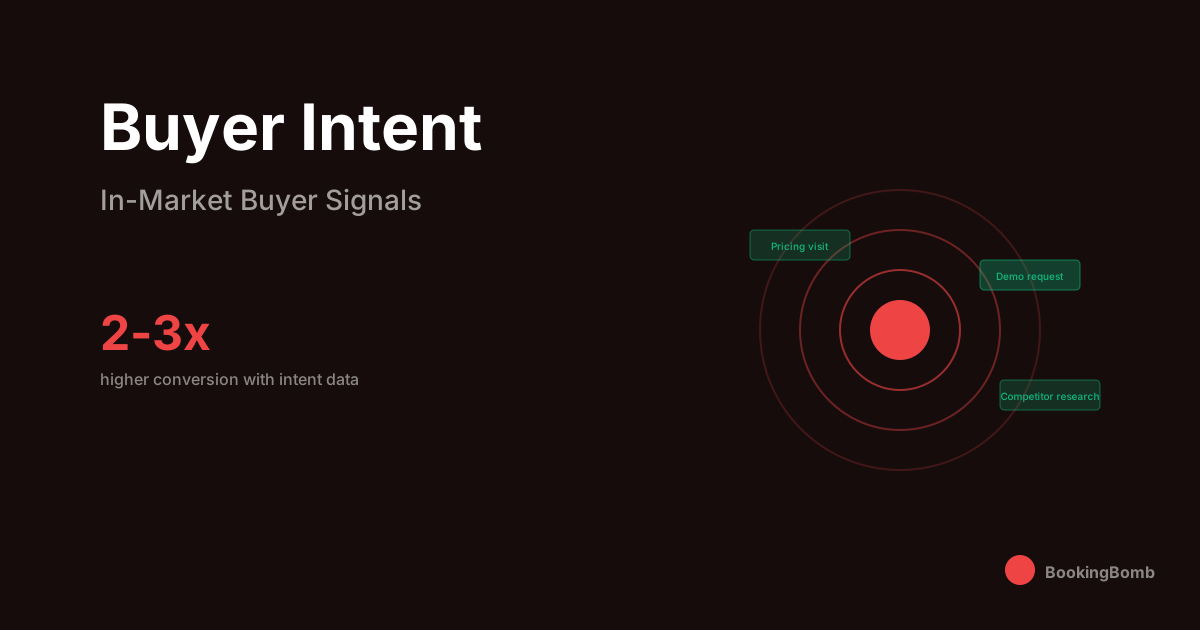
Buyer intent refers to signals that indicate a prospect is actively researching or considering a purchase in your category. These signals can be explicit (demo requests, pricing page visits) or implicit (consuming competitor content, searching for solution-related keywords). Intent data helps identify prospects who are in-market now, not just someday, enabling more timely and relevant outreach.
Why Buyer Intent Matters
Only 5-15% of your market is in active buying mode at any given time. Traditional prospecting treats all contacts equally, wasting effort on the 85-95% who aren't ready. Intent data identifies who's actually researching right now, letting you reach them at exactly the right moment. Timing is everything in sales—being first to engage an in-market buyer increases your win probability by 74%. Intent signals also make outreach more relevant. When you know a prospect has been researching 'CRM implementation challenges,' your message can address that exact topic instead of generic features. This relevance dramatically improves response rates and establishes you as a helpful resource rather than another interruption. Companies using intent data see 2-3x higher conversion rates because they're talking to people who are actually ready to listen.
5-15%
of market is actively buying at any time
74%
higher win rate when engaging buyers first
2-3x
higher conversion with intent data
How Buyer Intent Works
Collect first-party intent
Track behavior on your own properties—website visits, content downloads, email engagement, product page views. This indicates direct interest in your solution.
Acquire third-party intent
Use intent data providers (Bombora, G2, TrustRadius) to identify accounts researching relevant topics across the web, even if they haven't visited you yet.
Define intent signals
Determine which behaviors indicate buying intent—pricing page visits, competitor comparisons, solution-category research. Weight signals by strength.
Score accounts by intent
Combine intent signals into an account-level score. High-intent accounts get prioritized for immediate outreach.
Trigger timely outreach
When intent spikes, alert sales and trigger relevant campaigns. Speed matters—intent fades quickly if not acted upon.
Personalize based on intent
Use intent topics to tailor messaging. If they're researching 'sales automation,' lead with automation value props.
Best Practices
Combine first-party (your data) and third-party (external) intent for complete picture
Respond to intent signals quickly—buying windows close fast
Use intent to prioritize, not just to add to your list—act on the hottest signals
Personalize outreach based on the specific topics showing intent
Track intent-to-meeting conversion to validate signal quality
Set intent thresholds that trigger action—not every signal deserves response
Integrate intent data into your CRM and sales engagement tools for visibility
Monitor intent decay—signals from 30+ days ago may no longer be relevant
Common Mistakes
- • Treating all intent signals equally—pricing page visits indicate more than blog reads
- • Not acting fast enough—intent is perishable; yesterday's researcher is today's competitor's customer
- • Using intent data without personalization—knowing they're researching is only valuable if you use it
- • Over-relying on third-party intent—your own first-party signals are often stronger
- • Not validating intent data quality—some providers have better data than others
- • Ignoring intent decay—last month's research topic may no longer be relevant
Related Terms
Stop Studying. Start Closing.
Now you know what Buyer Intent means. Let us put it to work for you.
Book Your Strategy Call