LinkedIn Outreach as a Lead Source
Everything you need to know about using linkedin outreach to generate B2B leads.
BookingBomb Verdict
Highly Recommended
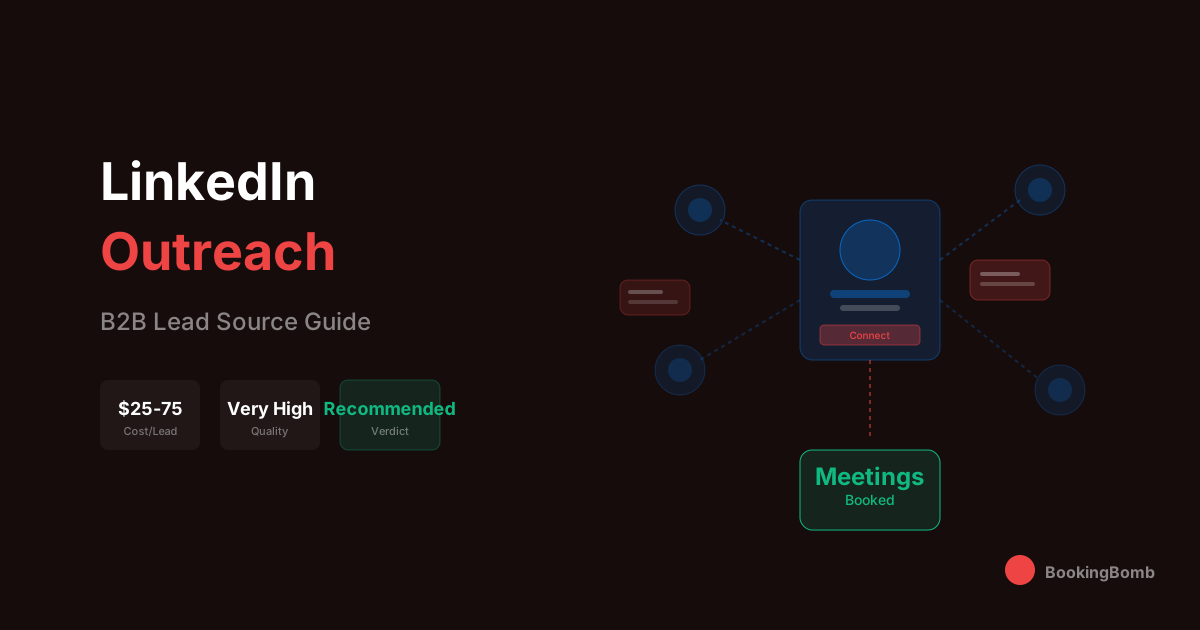
LinkedIn outreach remains one of the most effective B2B lead generation channels for 2024 and beyond. With 900+ million professionals on the platform and decision-makers actively engaging with content, LinkedIn offers unparalleled access to your target audience. The key is doing it right: personalized connection requests, value-driven messaging, and consistent engagement. When executed properly, LinkedIn outreach delivers high-quality leads with strong intent and shorter sales cycles compared to cold email alone.
Avg Cost/Lead
$25-75
Lead Quality
Very High
Time to Results
2-6 weeks
Scalability
Medium
What is LinkedIn Outreach?
LinkedIn outreach is the practice of proactively connecting with and messaging prospects on the LinkedIn platform. Unlike cold email, you're reaching people in a professional context where they expect business conversations. This includes connection requests, direct messages (DMs), InMails, and engagement-based outreach where you comment on and interact with prospects' content before reaching out directly. LinkedIn outreach can be manual, semi-automated with tools like Dripify or Expandi, or fully outsourced to agencies. The platform's rich profile data allows for hyper-personalization based on job changes, company news, mutual connections, shared groups, and content engagement. When combined with thoughtful messaging and genuine value propositions, LinkedIn outreach converts at significantly higher rates than most other outbound channels. The professional context means prospects are more receptive to business conversations, and the ability to see mutual connections, shared interests, and professional backgrounds creates natural conversation starters that cold channels simply cannot match.
Pros & Cons
The Good
- Direct access to decision-makers with verified professional profiles and accurate job titles
- Rich targeting options based on company size, industry, job function, seniority, and geography
- Higher response rates than cold email (15-25% average vs 8-15% for email) due to professional context
- Ability to research prospects deeply before reaching out using their profile, posts, and activity
- Warm introduction paths through mutual connections and shared groups increase credibility
- Real-time engagement signals show when prospects are active and viewing your profile
- Content engagement creates natural conversation starters and establishes thought leadership
- Less competition in inboxes compared to email where prospects receive hundreds of pitches daily
The Bad
- Platform limits restrict how many connection requests and messages you can send daily (typically 100-200 connections/week)
- Higher cost per lead than cold email due to time investment and potential LinkedIn Sales Navigator costs ($99-179/month)
- Risk of account restrictions or bans if using aggressive automation or spammy messaging patterns
- Requires consistent time investment for engagement, content creation, and relationship building
- Less scalable than cold email - you cannot simply send more messages without risking account health
- Prospects may be wary of connection requests from salespeople, requiring creative approaches
- Results heavily dependent on profile optimization and personal branding investment
Best For
How to Use LinkedIn Outreach Effectively
Optimize Your LinkedIn Profile for Outreach
Your profile is your landing page. Before sending any outreach, ensure your headline clearly communicates the value you provide (not just your job title). Use a professional headshot, write a compelling summary focused on how you help clients, and add relevant media, recommendations, and featured content. Prospects will check your profile before responding - make sure it builds credibility and trust. Include a clear call-to-action and link to your calendar or website.
Build Your Target List with Sales Navigator
LinkedIn Sales Navigator is worth the investment. Use its advanced filters to build highly targeted lists: industry, company size (employees and revenue), job title, seniority level, geography, years in role, and company growth signals. Save leads into lists organized by priority or campaign. Use the 'Posted on LinkedIn' filter to find active users who are more likely to engage. Aim for 500-1000 prospects per campaign for meaningful data on what works.
Warm Up Prospects Before Connecting
Don't go straight for the connection request. Spend 1-2 weeks engaging with your top prospects' content first. Like their posts, leave thoughtful comments that add value (not generic praise), and share their content when relevant. This creates familiarity so when you do send a connection request, they recognize your name. For high-value targets, consider commenting on 3-5 of their posts before reaching out. This 'social warming' significantly increases acceptance rates.
Craft Personalized Connection Requests
The 300-character limit on connection requests is actually an advantage - it forces brevity. Never use the default 'I'd like to connect' message. Reference something specific: a recent post they wrote, a mutual connection, their company's recent news, or a shared group. State your reason for connecting clearly but don't pitch. Example: 'Hi Sarah, your post on account-based marketing resonated - we're running similar plays at [Company]. Would love to connect and exchange notes.' Aim for 40-60% acceptance rates.
Develop a Multi-Touch Message Sequence
After they accept, don't immediately pitch. Start with a genuine thank-you and value-add message - share a relevant article, insight, or resource without asking for anything. Wait 2-3 days. Your second message can introduce what you do and ask a soft qualifying question. Third message (after 4-5 days) can propose a brief call. Keep messages short (under 100 words), mobile-friendly, and focused on their challenges, not your features. Use voice messages for standout personalization.
Leverage Content for Inbound-Outbound Hybrid
Post valuable content 2-3x per week to attract inbound engagement and stay top-of-mind with connections. When prospects engage with your content (likes, comments), use that as an outreach trigger. 'Thanks for engaging with my post on X - curious if that's a challenge you're seeing at [Company]?' This blends inbound and outbound seamlessly. Content also serves as proof of expertise when prospects check your profile after receiving your message.
Track, Measure, and Iterate Continuously
Use a CRM or spreadsheet to track connection request acceptance rates (target: 40%+), response rates (target: 15-25%), positive response rates, and meetings booked. A/B test different connection messages, follow-up sequences, and timing. Review weekly what's working. The difference between 20% and 40% acceptance rates is often just a few words in your approach. Data beats assumptions - let results guide your messaging strategy.
Typical Results
40-60%
Connection Accept Rate
15-25%
Response Rate
3-8%
Meeting Conversion
Alternatives to Consider
Explore More Resources
Dive deeper into B2B lead generation with our comprehensive resource library.
Not Sure Which Channel is Right for You?
We'll analyze your business and tell you exactly where your leads should come from.
Book Your Strategy Call